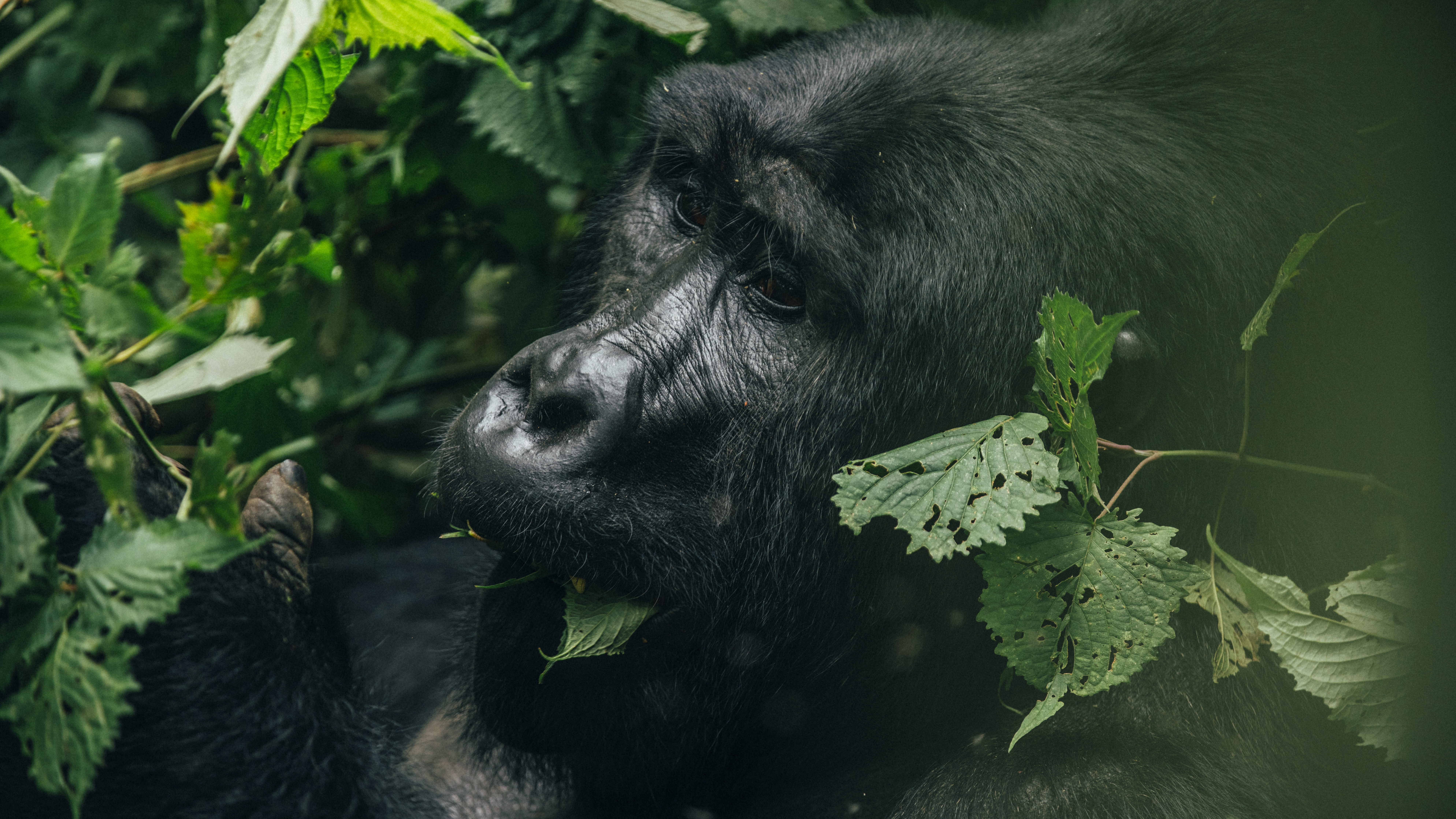
Two gorilla treks, one chimpanzee trek, five days — the perfect
introduction to Uganda's primates
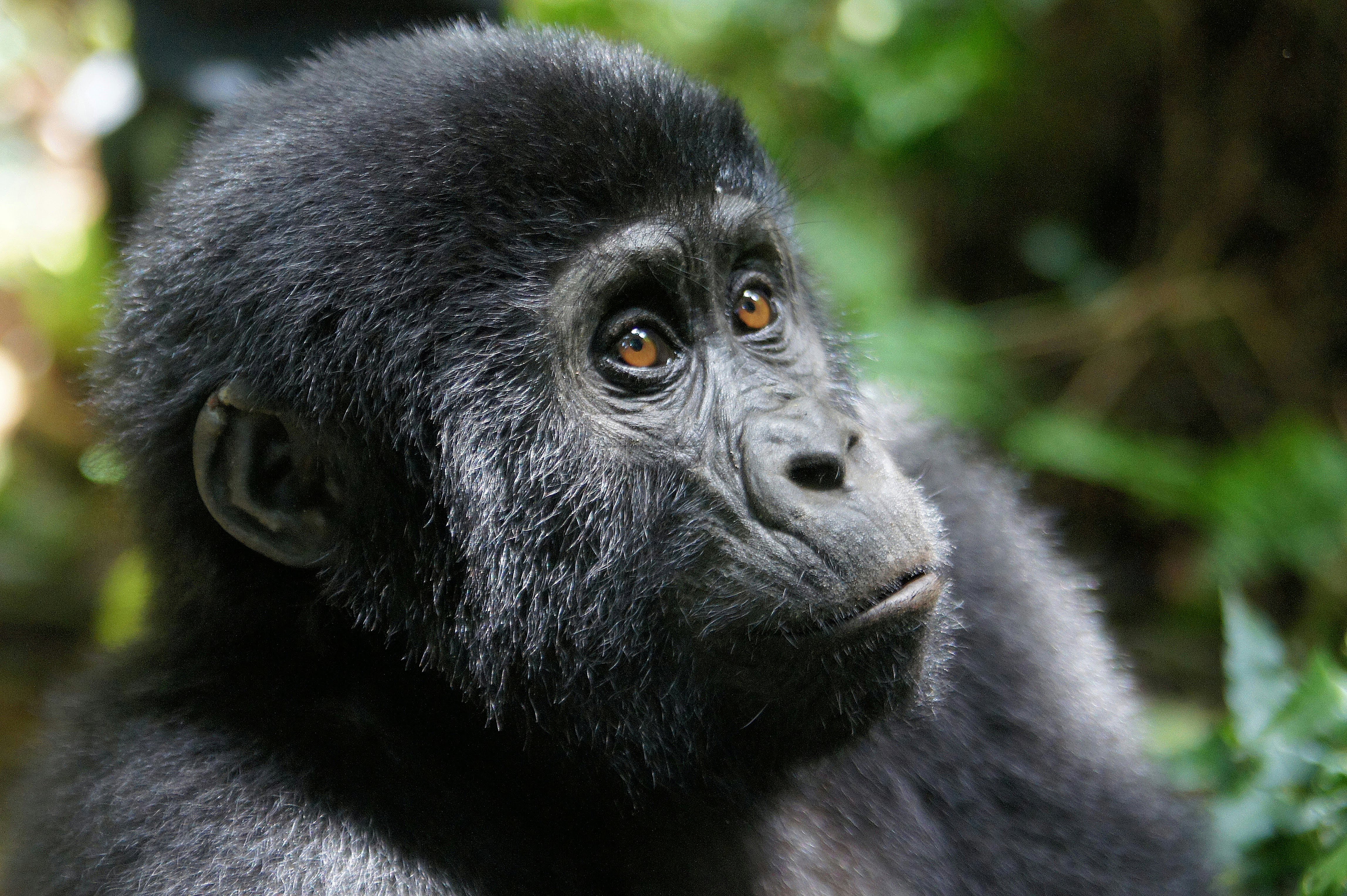
This is the safari we recommend to anyone tracking great apes for the first time. In five
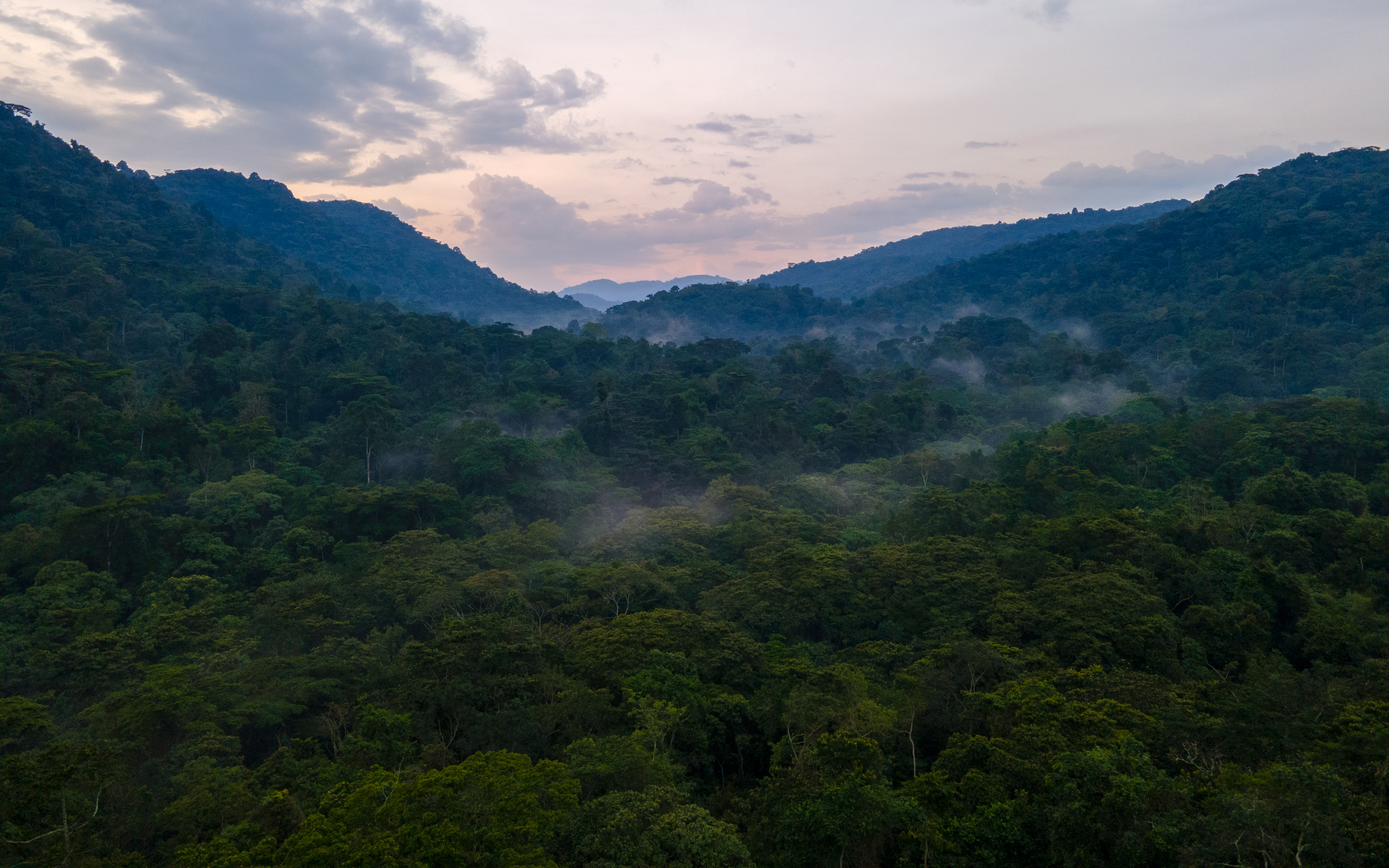
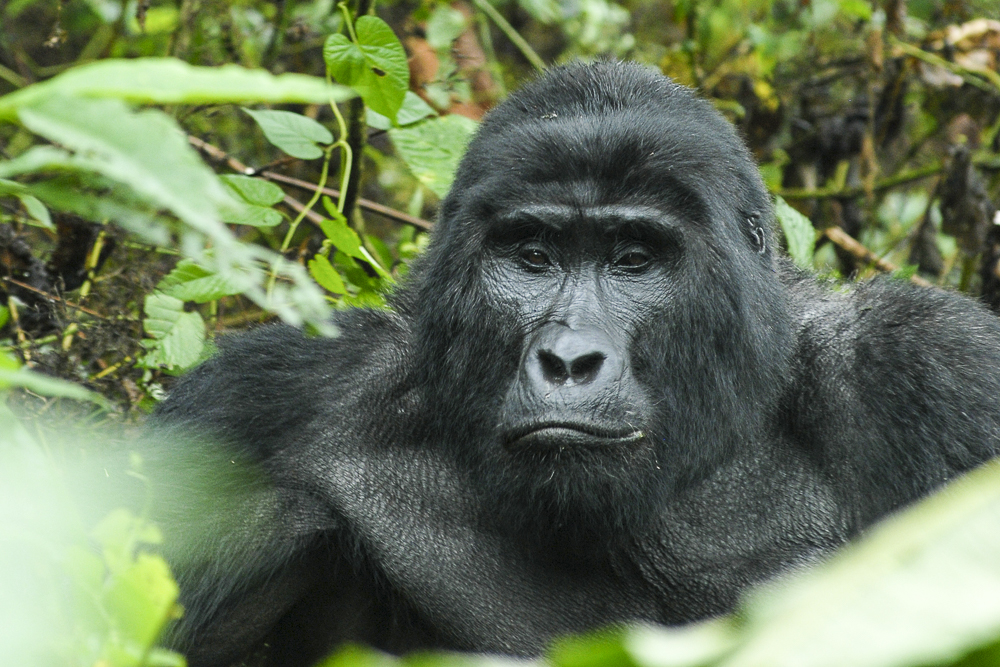
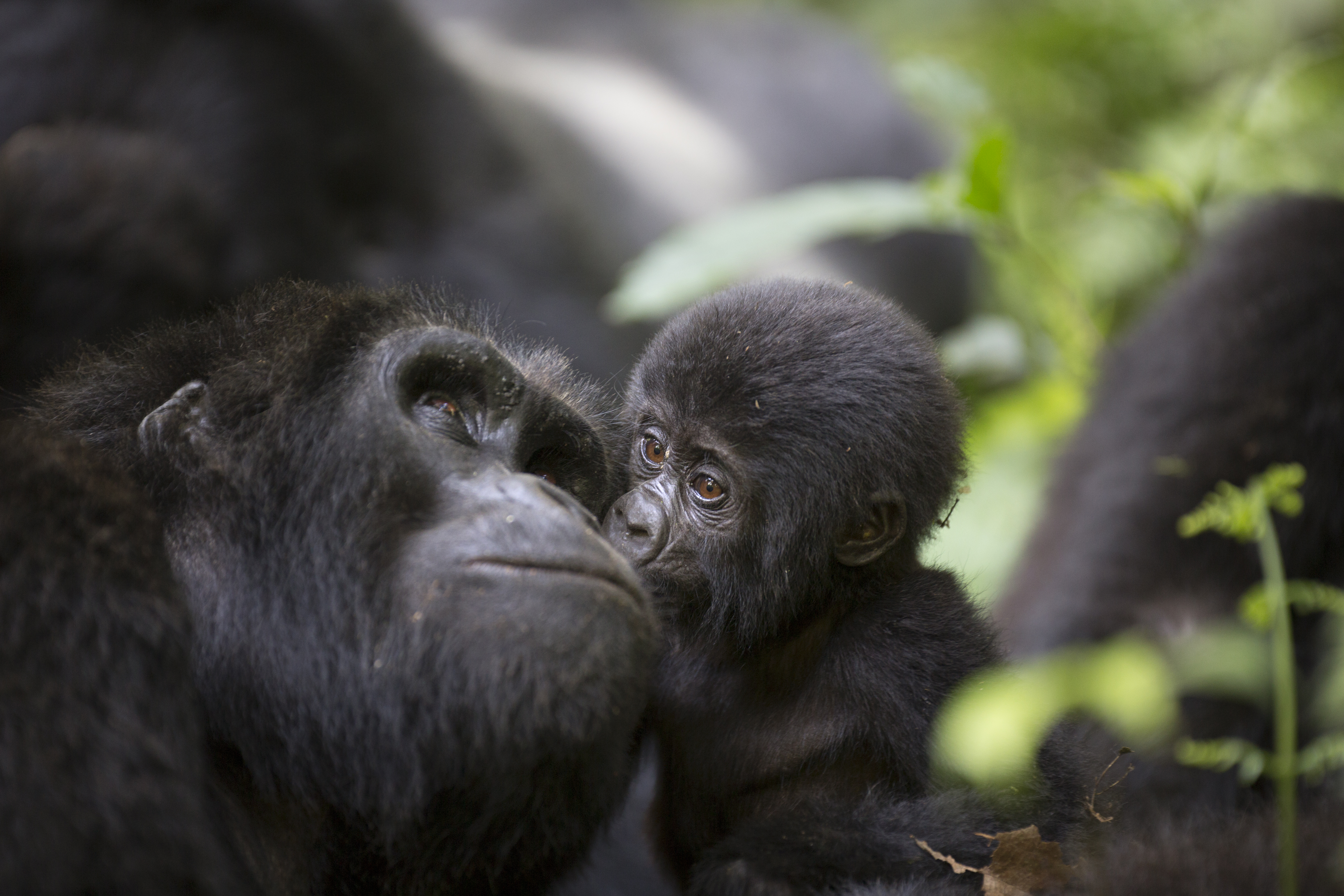
days you meet both of Uganda's headline primates — mountain gorillas in Bwindi
Impenetrable Forest and chimpanzees in Kibale — and you do it with two gorilla
treks rather than one, so you are not gambling a whole trip on a single
morning in the forest.
You begin at Mabamba Swamp on Lake Victoria, paddling by canoe in search of the
pre-historic Shoebill Stork. From there you transfer to Bwindi, where two separate treks
take you into different sectors of the forest to visit two different habituated gorilla
families — twice the time with the apes, and twice the chance of a truly great
encounter. In between, there is time for the Batwa community and the Buhoma trails.
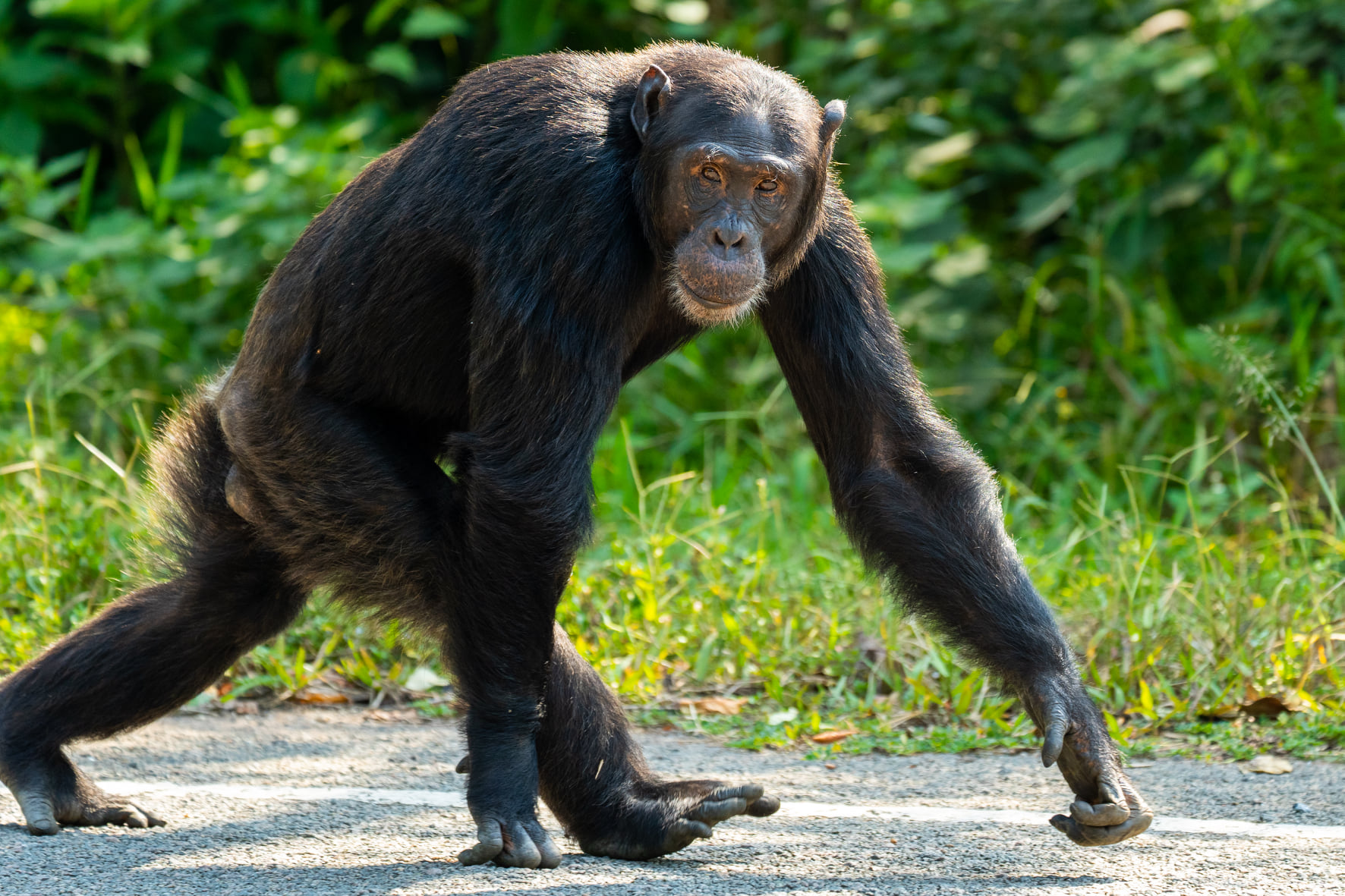
Day 4 brings you north to Kibale Forest for chimpanzee tracking — Kibale has the highest
density of primates in Africa — and Day 5 closes gently with the Bigodi Community Walk,
a village-run wetland of swamp, monkeys and birds, before your transfer back to Entebbe.
The pace suits first-timers: one major activity a day, no wasted miles, and every detail
handled by your guide.
Highlights
Shoebill Stork by canoe
at Mabamba Swamp
Two gorilla treks in
Bwindi Impenetrable Forest
Chimpanzee tracking in
Kibale Forest
Batwa community visit
and Buhoma forest trails
Bigodi Community Walk —
a village-run wetland
Your booking funds two
ranger patrols and Batwa school fees
Where your money goes
This safari directly funds two ranger patrols —
anti-snare sweeps and daily monitoring in the forests where you will be trekking —
and it covers Batwa school fees, keeping children from the
community displaced from these forests in education.
Gorilla and chimpanzee permits are the single largest source of
conservation revenue in Uganda, and your park fees pay the trackers, rangers and
vets who keep these populations healthy. The Batwa visit on Day 2 is not a
sideshow: it is part of how your trip leaves something behind.
Good to know
- Age and permits: gorilla trekkers must be at least 15
years old. Both gorilla permits and the chimpanzee permit are included and must be
booked well in advance — permits are limited and sell out in peak season.
- Why two treks? The second trek visits a different
gorilla family, usually in a different sector of Bwindi. It is the single best way
to improve your experience if the first morning's tracking is difficult, and it
doubles your time with the apes.
- Fitness: gorilla and chimpanzee tracking involve steep,
sometimes muddy forest trails — anything from one to six hours. Porters are
available at the Bwindi trailhead for a small tip and are well worth hiring.
- Arrival: Day 1 works best if you arrive the night
before or on an early-morning flight, since the Mabamba canoe is a dawn activity.
The transfer to Bwindi is included by scheduled light aircraft, or by scenic road
if you prefer.
- Health: if you are unwell on the morning of a trek you
will not be permitted to visit the apes — this protects them from human illness.
Keep 7 metres from the gorillas and no flash photography.
- Packing: long trousers, sturdy walking shoes, a rain
jacket, garden gloves for the nettles, neutral-coloured clothing, a walking stick,
binoculars and plenty of camera memory.
- Meet your guide at Entebbe International Airport (arrive the night
before or on an early-morning flight).
- Drive to Mabamba Swamp on Lake Victoria for an early
canoe ride in search of the Shoebill Stork.
- Birding on the papyrus channels — Papyrus Gonolek, herons,
kingfishers and weavers.
- Transfer to Bwindi Impenetrable National Park by scheduled light
aircraft (or scenic road drive, if you prefer).
- Evening briefing on the first gorilla trek.
- Overnight: lodge in Buhoma, Bwindi, full board.
- Early breakfast, then briefing at park headquarters and allocation
to a gorilla family.
- First gorilla trek into the forest with your
rangers and trackers — usually one to four hours before finding the
family, then a full hour with them.
- Return to the lodge for a late lunch.
- Afternoon Batwa community visit — meet the
community whose school fees this safari supports, and hear their
forest heritage.
- Overnight: lodge in Buhoma, full board.
- Early breakfast and a second morning at park headquarters.
- Second gorilla trek — you are allocated to a
different habituated family, often in a different sector
(Ruhija or Nkuringo), so the forest and the apes are new again.
- Return to the lodge for a late lunch and the afternoon at
leisure.
- Optional: the Buhoma Waterfall Trail for forest
birds, L'Hoest monkeys and red-tailed monkeys.
- Overnight: lodge in Buhoma, full board.
- Early departure from Bwindi for Kibale Forest, driving through the
tea estates and crater lakes of Fort Portal.
- Lunch on arrival, then the afternoon chimpanzee tracking
session in Kibale Forest — the highest density of
primates in Africa.
- One hour with the habituated chimpanzee community, plus red
colobus, blue and L'Hoest monkeys along the way.
- Overnight: lodge near Kibale, full board.
- Morning Bigodi Community Walk — a village-run
wetland famous for its monkeys, birds and community projects, with
money going straight to local households.
- Brunch at the lodge, then transfer to Entebbe (scenic drive, or a
scheduled light aircraft from Kasese).
- Drop-off at Entebbe International Airport for your onward flight,
or at an Entebbe hotel if you are extending your stay.
- End of safari.
Included
Two gorilla trekking
permits (Bwindi)
Chimpanzee tracking
permit (Kibale)
4 nights'
accommodation, full board
All national park
entrance fees
Mabamba Swamp Shoebill
canoe
Bigodi Community Walk
and Batwa community visit
Internal scheduled
light aircraft transfers
Private 4x4 vehicle,
driver-guide and fuel
Airport transfers and
bottled drinking water
Contribution to two
ranger patrols and Batwa school fees
Not included
International flights
Uganda visa (e-visa,
applied for online in advance)
Travel insurance
Drinks, laundry and
personal expenses
Tips for guides,
rangers, trackers and porters
Optional activities
(extra forest walks, craft purchases)
Where your money goes
This safari directly funds two ranger patrols — anti-snare
sweeps and daily monitoring in the forests you trek — and covers Batwa
school fees for children from the community displaced from these
forests.